
GratitudeFamily timeMindfulness
Elnori and the House of Borrowed Mornings
A gentle illustrated adventure about the little beginnings of a day that are too precious to lose.
Explore Elnori and the House of Borrowed Mornings → Marty TalefoxStory Worlds
Books by theme · Gratitude
Gratitude stories are strongest when they are about noticing rather than being told to say thank you. These books draw attention to ordinary mornings, familiar sounds, shared light, returning rhythms, and small things that gain value when a character almost loses or overlooks them.
Stories to explore
This collection focuses on noticing ordinary good things, relationships, routines, places, and moments without forcing cheerful feelings. The books approach the idea through different characters and situations, so children can compare choices rather than receive one fixed lesson.
A gentle illustrated adventure about the little beginnings of a day that are too precious to lose.
Explore Elnori and the House of Borrowed Mornings →
Ten richly illustrated adventures in one 96-page collection about courage, kindness, and bringing the sleeping garden home again.
Explore Lumari and the Garden of Sleeping Lights →
When the sea grows still, Coraquill helps a forgotten tide find the way back to the shore.
Explore Coraquill and the Tide That Forgot to Return →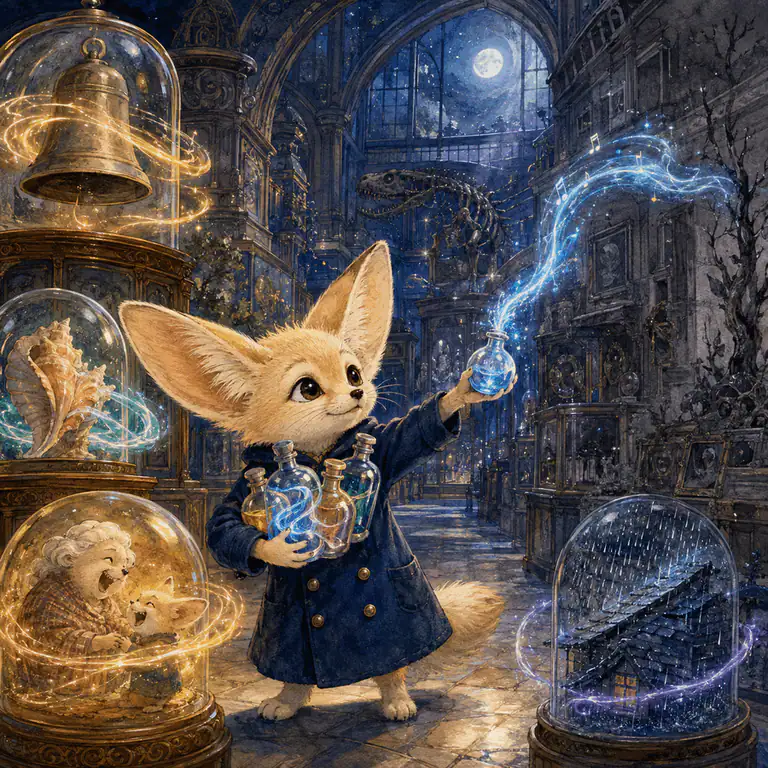
Sovari gathers forgotten bells, waves, whispers, and laughter—and helps the world hear them again.
Explore Sovari and the Archive of Vanishing Sounds →A gentle guide for grown-ups
Gratitude stories are more interesting when they begin with noticing rather than with being told to say thank you. Follow what becomes newly visible to the character: an ordinary routine, a familiar sound, someone’s effort, a place that feels safe, or a small object that seemed unimportant until it changed or nearly disappeared.
This approach also allows difficult feelings to remain. A child or character can appreciate something and still be tired, disappointed, or worried. Gratitude does not need to replace those emotions. In a nuanced story, it simply widens attention so that more than the problem is visible at the same time.
Find something present near the beginning that only becomes meaningful to the character later.
Notice the unseen work, care, message, routine, or preparation that made a good moment possible.
Let appreciation sit beside sadness, frustration, or uncertainty instead of using gratitude to cancel them.
For families
It can focus on attention and appreciation while allowing disappointment, worry, or sadness to remain valid parts of the story.
Words of thanks can matter, but stories can also show gratitude through noticing effort, caring for something, remembering, sharing, or treating a familiar good thing with renewed attention.
Ask what the character notices near the end that was already present earlier but did not seem important at first.
This collection includes Elnori and the House of Borrowed Mornings, Lumari and the Garden of Sleeping Lights, Coraquill and the Tide That Forgot to Return, Sovari and the Archive of Vanishing Sounds.
From the journal
A calm approach to choosing and sharing bedtime picture books.
Read the article →