ListeningMemoryBooks
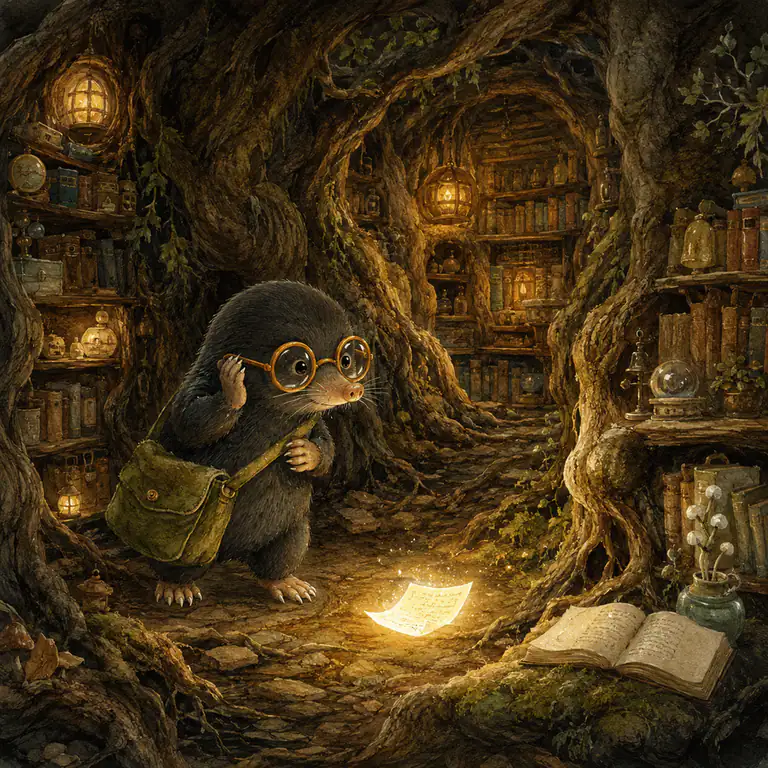
Meruni and the Library Under the Roots
Below an ancient tree, forgotten stories wait for a careful listener.
Explore Meruni and the Library Under the Roots → Marty TalefoxStory Worlds
Books by theme · Respect
Respect in a story is easier to understand when it appears in small choices: listening before interrupting, taking another need seriously, caring for something that belongs to a community, or changing a plan after learning new information. These books show respect as attention in action.
Stories to explore
This collection focuses on listening, boundaries, different needs, shared spaces, and treating another perspective as worth considering. The books approach the idea through different characters and situations, so children can compare choices rather than receive one fixed lesson.
Below an ancient tree, forgotten stories wait for a careful listener.
Explore Meruni and the Library Under the Roots →
Ten richly illustrated adventures in one 96-page collection about courage, kindness, and bringing the sleeping garden home again.
Explore Lumari and the Garden of Sleeping Lights →
Letters, little mysteries, and a shy night courier who discovers that every voice deserves to be heard.
Explore Velumi and the Lumerra Post Office →
A gentle illustrated adventure about the little beginnings of a day that are too precious to lose.
Explore Elnori and the House of Borrowed Mornings →A gentle guide for grown-ups
Respect is easier to discuss when it appears as behaviour rather than a rule. Look for whether characters listen when somebody says no, wait for an answer, handle another person’s belongings carefully, or make room for a different preference. These small actions show that another person’s perspective has weight.
A useful respect story also allows disagreement. Characters do not have to like the same things or make the same choice to treat one another seriously. Ask whether the relationship leaves room for difference and whether power is shared fairly when one character is louder, older, faster, or more confident.
Notice what happens after a character expresses a limit, preference, or request for space.
Borrowing, touching, returning, and caring for another person’s things can make respect concrete.
Ask whether the characters can remain connected without forcing one another to agree.
For families
It can place boundaries, listening, consent, fairness, and different preferences inside the plot so children see the consequences of how characters treat one another.
No. Respect includes recognising another person’s dignity and boundaries; it does not require automatic agreement or unquestioning compliance.
Yes. Conflict often reveals whether characters listen, repair harm, accept a boundary, and make room for another point of view.
This collection includes Meruni and the Library Under the Roots, Lumari and the Garden of Sleeping Lights, Velumi and the Lumerra Post Office, Elnori and the House of Borrowed Mornings.
From the journal
How illustrations and story choices can help children notice another character’s point of view, needs and feelings without turning reading into a lesson.
Read the article →